
Brat Tattoo: Ideas, Stencils & Safety Before You Get Inked
Brat tattoo ideas that hold up: pick a word, test the size first, learn why green ink fades, and what the famous infected brat tattoo story got wrong.
A brat tattoo is the album cover committed to skin: one lowercase word in that stretched, blurry-looking type, usually in plain black line work. Since summer 2024 people have been walking out of tattoo studios with "brat" (or their own word) on forearms, ankles, and shoulder blades, and the searches have kept climbing into 2026. A design this small is easy to get right and easy to get wrong. This guide covers the design rules that make it work, the infected brat tattoo story you have probably seen and what it actually teaches, the honest answer on green ink versus black, and how to test the whole thing on your skin before anything is permanent.
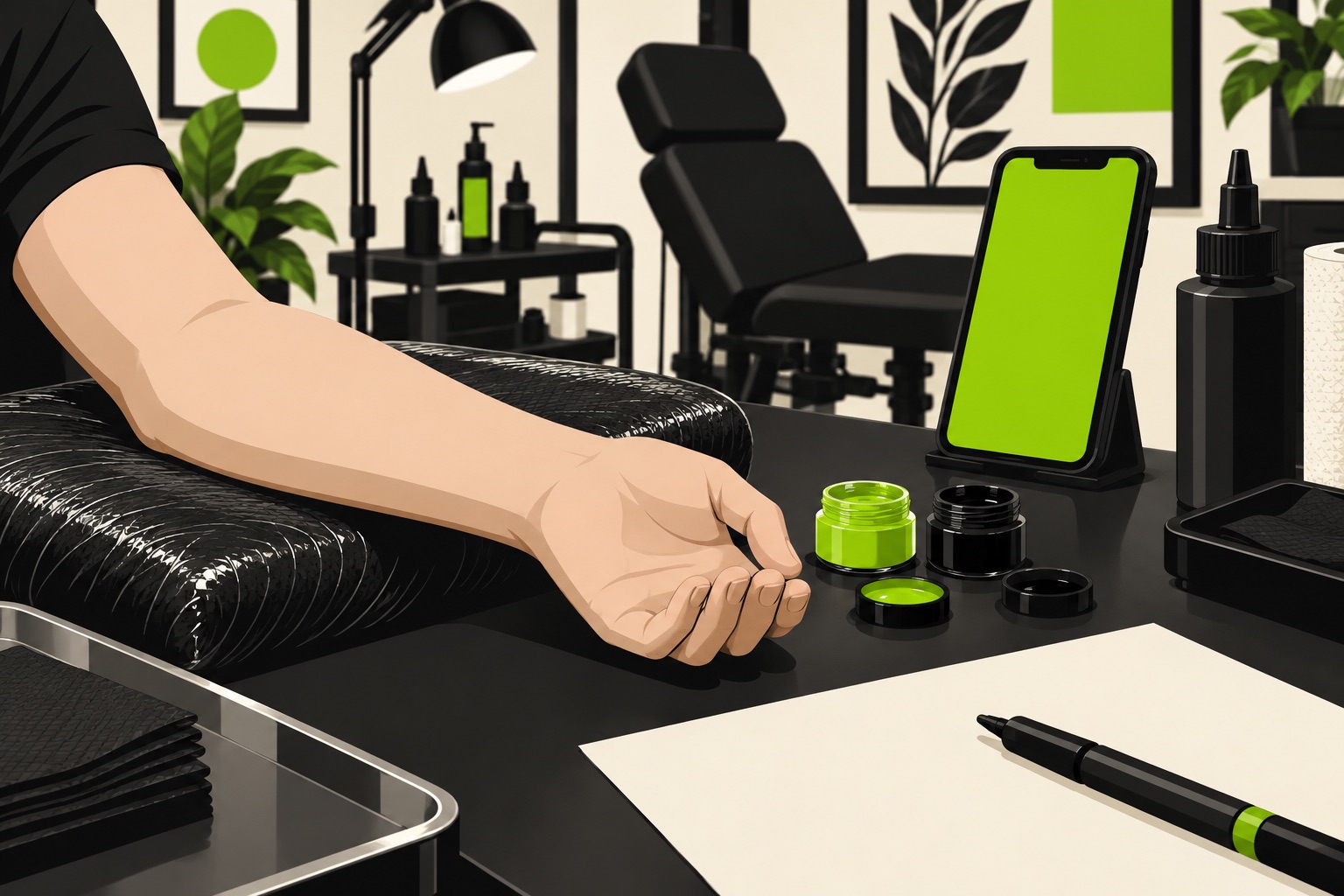
What a brat tattoo actually is
The source is the cover of Brat, Charli XCX's June 2024 album (released June 7, 2024) — a low-resolution green square with the title stretched across it in lowercase Arial. The design brief was reportedly an "ugly Helvetica," and the full font story is on our font page if you want the receipts. No symbols, no imagery: the smiley face people remember comes from a 2007 movie's credits, not the cover.
Translated to skin, the design gets even simpler. It is one word — most often "brat" itself, sometimes a name or a nickname — set in that stretched lowercase style, in black ink on bare skin. There is no shading to heal unevenly and no detail to blur. The stretched letterforms redraw cleanly at almost any size, which is why artists like this design: it is about the easiest stencil they will stencil all week. Our brat logo page covers the same geometry for digital use.
The infected brat tattoo story, explained
In October 2025 a fan known online as Xiu documented a fresh brat tattoo going badly wrong: swelling and a red, scab-filled rash spreading across his wrist, arm, and palm, and eventually a hospital stay (TAG24's write-up has the details). His post pulled close to 30 million views in two days, and the thread turned into brat meme material within hours.
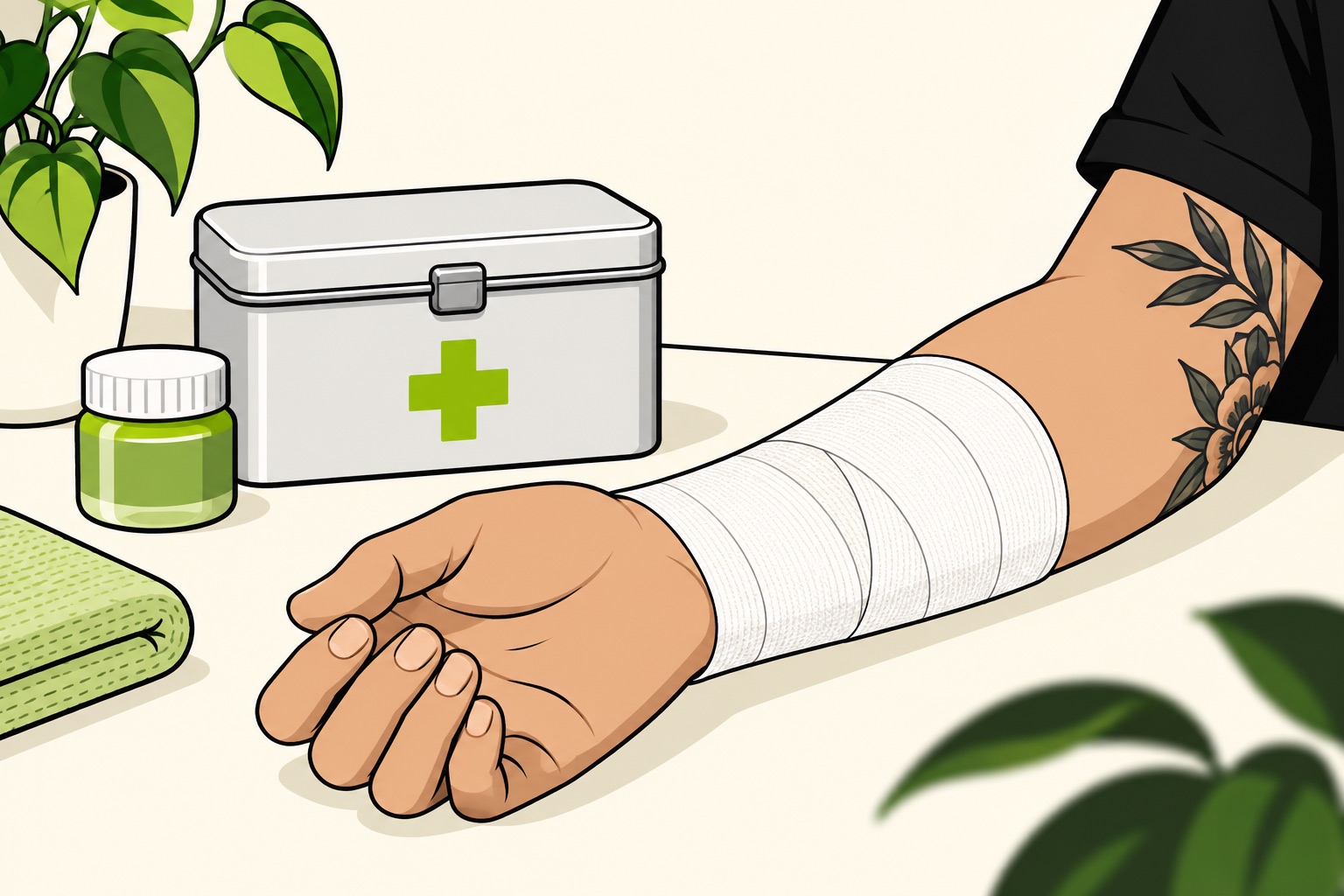
The part worth remembering is where the tattoo happened. He told interviewers he got it "in the bathroom of a Laufey show" — an unlicensed, non-sterile setting, which is the actual cause of the infection. The word did nothing wrong. A brat tattoo done in a licensed studio is one of the lowest-risk small tattoos there is; the same word inked at a concert bathroom is a very different story. The lessons are unglamorous: a licensed artist, single-use needles, and the aftercare sheet they hand you.
Picking the word
Most people just get "brat," and it is hard to argue with that. If you want your own word instead, the rules are the same ones that make brat profile pictures readable: lowercase always, and one word beats a phrase. On skin there is a second reason for short — every fine line softens a little as the tattoo ages, so a four-to-seven-letter word stays crisp for decades while a ten-letter word slowly turns into texture.
Song words work well ("360," "vroom," "sympathy"), as do nicknames. If you are shopping for options, the brat captions collection has over a hundred lowercase-ready one- and two-liners, and most of its single words are tattoo-sized. Type a few candidates into the brat text generator and compare them at full size before you fall in love with any of them. Skip capitals, full sentences, and anything you might not want on your arm at a wedding in 2046.
Size and placement
Here is a useful reference point: the commercial temporary version of this design — sold in sets of three — is 1.5 inches (3.9 cm) wide, and that is the size that works. That is the sensible floor for a permanent one too — at 1.5 to 3 inches the design ages the way you want it to, which is to say barely at all. A brat tattoo under about an inch wide is where regret starts, because the stretched strokes thin out and thin strokes are the first thing skin blurs.
Placement follows the shape. The inner forearm is the classic spot — flat, easy to show or cover, and wide enough for the stretch. Ankles, shoulder blades, and ribs all work. What you want is a relatively flat patch of skin big enough that the word sits dead center with breathing room, the same centering logic the generator enforces for square formats.
Green ink or black: the honest answer
The cover reads as #8ACE00 by the mainstream count (with #89CC04 as the popular color-picker reading — the brat green guide has every conversion). Skin is a different canvas. Bright yellow-greens are the pigment family that fades worst; as Removery, a laser tattoo removal chain, puts it in its color-fading guide, fading is effectively inevitable with yellow-based inks, and a healed bright green drifts toward a muted, muddier version of itself.
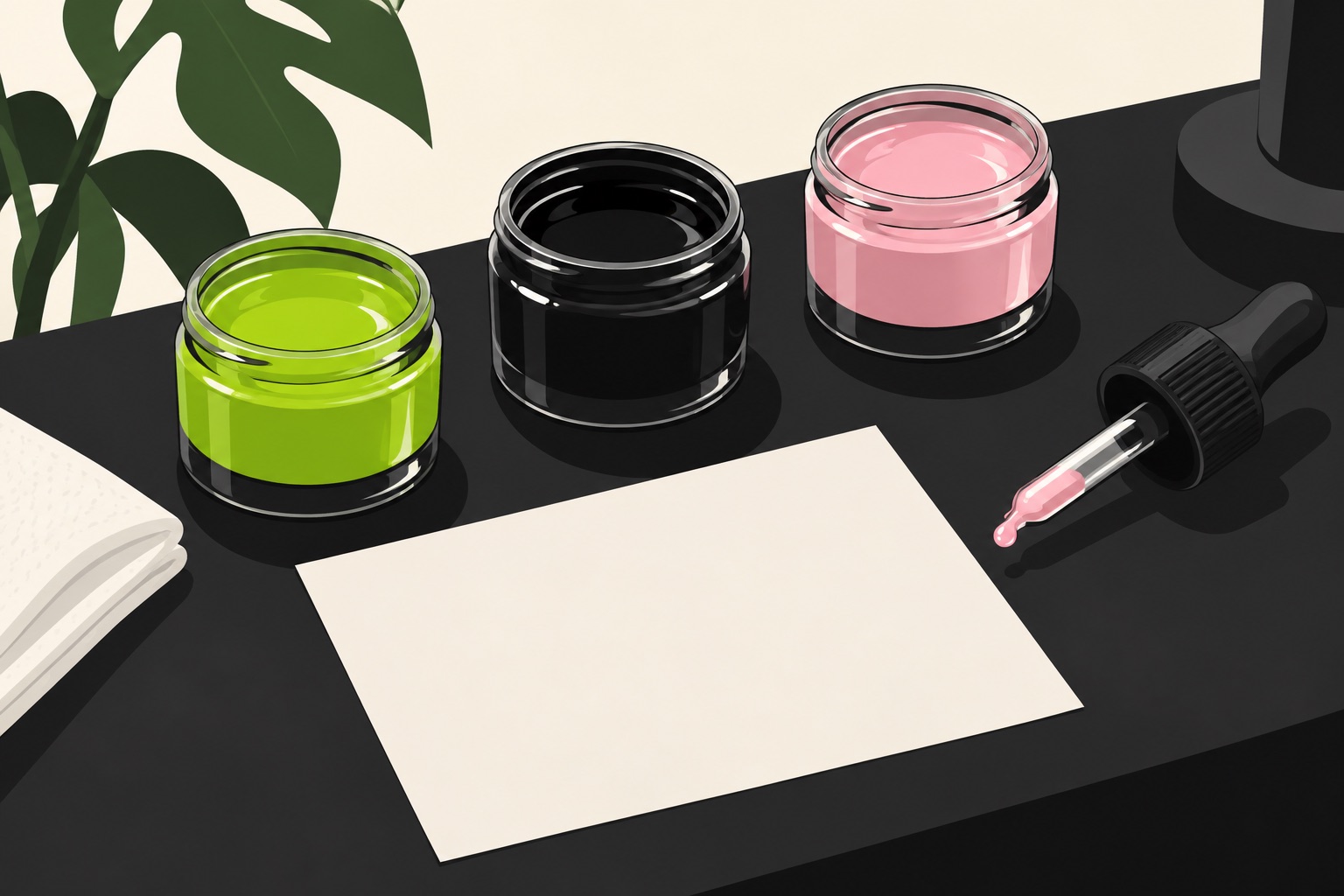
This is why most brat tattoos you will see are black line work. Black holds longer in skin than any other ink, and — a detail people miss — the original cover's text is black anyway. If your heart is set on green, talk to your artist about darker greens, expect it to soften over time, and stay out of the sun; ultraviolet light is what pulls green out of skin fastest. Some fans compromise with green as a small accent rather than the whole word.
Test it before it is permanent
A one-word tattoo is the most testable design in the world, so use that.
- Design it at full size in the brat generator — "brat" comes preloaded on the official green, and you can swap in your own word and try era colors from the template hub. Download the 600×600 PNG.
- Print it at real size (1.5 to 3 inches wide), cut the paper close to the letters, and tape it where you are considering the real thing. Look at it in a mirror, with short sleeves, at work.
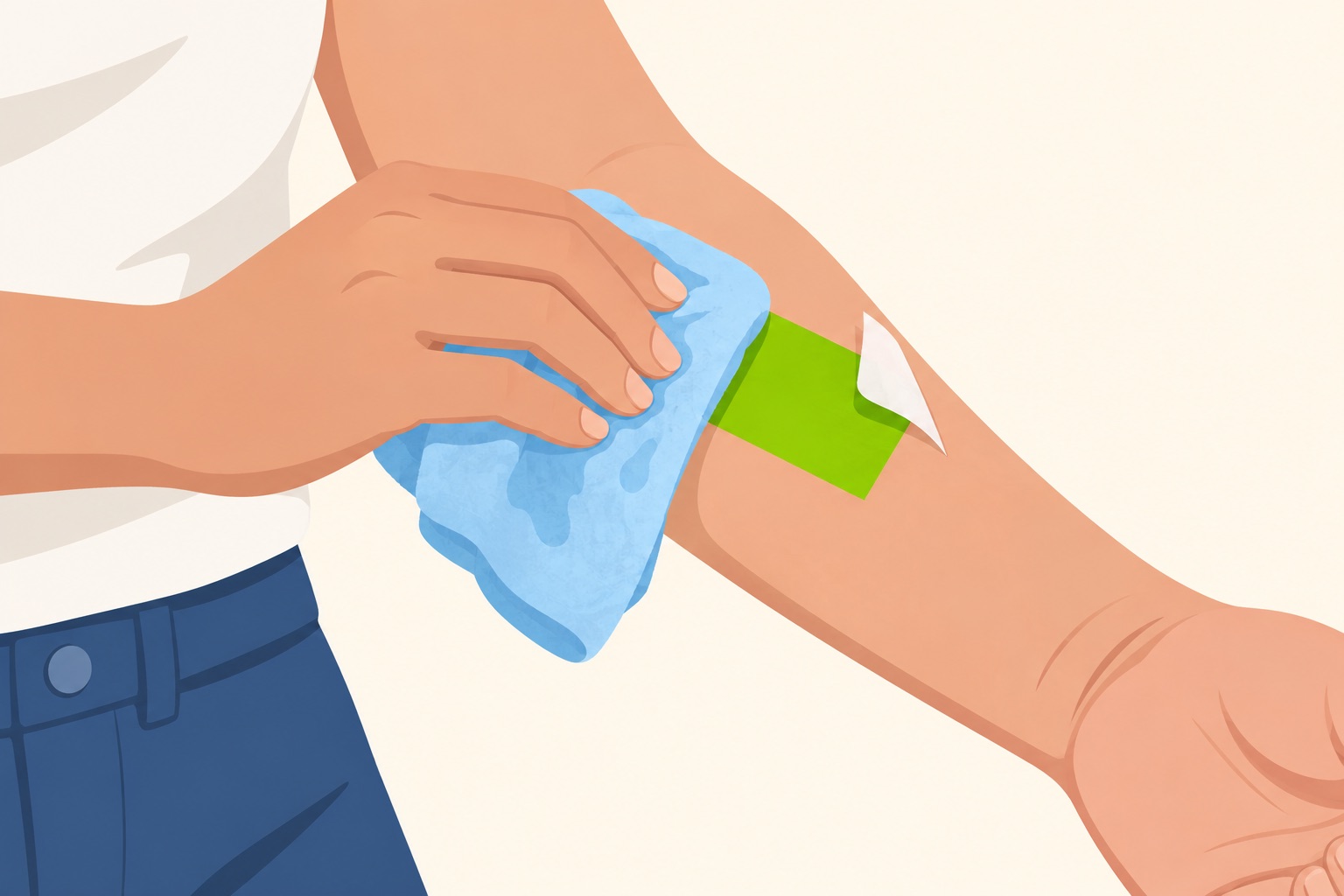
- Wear it temporarily. Tatteco makes a lowercase brat temporary tattoo — three 1.5-inch copies for $5.99, applied with a wet cloth for 30 seconds, lasting two to five days.
One boundary worth stating plainly: our sticker tool makes die-cut vinyl decals for laptops and water bottles — vinyl stickers are not for skin. For skin, use proper temporary tattoo paper or the commercial temp tattoos above. They also make cheap, fun party favors — we used them in the brat birthday plan.
Finding an artist and what it costs
The difference between Xiu's hospital trip and a boring, uneventful healing story is a licensed studio. Look for three things: a visible license, a portfolio with clean line work (a brat tattoo is line work and nothing else), and a shop that opens fresh, single-use needles in front of you. Any of them is normal to ask about.
Bring your generator PNG as the reference — any artist can cut a clean stencil from it, and the simple stretched forms survive that translation to skin intact. Expect the redraw to be slightly smoother than your printout; that is normal and better.
On price: most US shops set a minimum, usually $50 to $150, and a one-word tattoo usually costs exactly that minimum, because setup is most of the work. Cities and artists vary a lot, so treat those as ballparks. The temporary route costs $5.99 and lasts about a week.
Aftercare, briefly
Your artist's aftercare sheet beats any blog post, including this one. The universal version: wash gently, keep it clean, use the thin layer of ointment they recommend, stay out of pools and baths while it heals, keep it out of direct sun, and do not pick or scratch it. A brat tattoo heals like any other line tattoo — two to four weeks to the surface, with a dull film over the ink during healing that is normal and not fading. Every one of these steps is skipped by concert-bathroom ink, which is the whole point.
FAQ
What does a brat tattoo mean?
It is a fan tribute to Charli XCX's Brat and the brat summer it kicked off — one lowercase word in the album's stretched type. Plenty of people now use it as a marker of the whole era rather than fandom for one artist.
Why did the brat tattoo guy end up in the hospital?
The fan known as Xiu got his tattoo in a concert bathroom — an unlicensed, non-sterile setting — and the tattoo became badly infected, landing him in the hospital in October 2025. He recovered. The lesson is about where and by whom you get inked, not the design.
What font is a brat tattoo?
The album uses a stretched, low-resolution lowercase Arial — the designers called the brief an "ugly Helvetica." The font page has the full story, and the generator replicates the look, so your printout matches what an artist will stencil.
Do brat tattoos have to be green?
No, and most are not. Black is the practical choice because it holds longer in skin than any other ink, and the cover's text is black anyway. Bright green ink fades toward a muddier tone over time, so green works better as an accent than as the whole word.
How much does a brat tattoo cost?
In the US, expect a shop's minimum — commonly $50 to $150 — since setup is most of the work for a one-word tattoo. Prices vary by city and artist. A pack of three 1.5-inch temporary versions costs $5.99 if you want to try the design first.
Where do people put brat tattoos?
The inner forearm is the most common spot, followed by ankles, shoulder blades, and ribs. Anywhere reasonably flat with room for a 1.5-to-3-inch word works.
Can I test a brat tattoo before getting it for real?
Yes, and you should. Print your generator design at real size and tape it on, or wear a temporary version for a few days. If you still like the word, the size, and the spot after a week of looking at it, it will survive permanence.
Is a brat tattoo a copyright problem?
For a personal fan tattoo, no — that is between you and your artist, and studios ink fan tributes all day. Selling merchandise with the album's branding would be a different matter. Nothing on this site is official; the tools recreate a style anyone can type in.